Cholesterol-Free Life
In today’s busy world, taking care of your heart isn’t something you can ignore anymore. High cholesterol has quietly become a common problem for millions of people, increasing the risk of heart disease without showing obvious symptoms. That’s why more and more people are now focusing on building a healthier lifestyle and aiming for a true Cholesterol-Free Life.
But living a Cholesterol-Free Life isn’t just about cutting out a few unhealthy foods. It’s about changing the way you live every day — from what you eat to how active you are and how well you manage stress. Simple habits like choosing balanced meals, staying physically active, getting enough sleep, and using natural support when needed can make a big difference in keeping your cholesterol levels under control.
In this guide, you’ll discover practical and realistic steps to support your heart health, including smart food choices, easy exercise ideas, lifestyle improvements, and helpful natural options. With the right approach, achieving a Cholesterol-Free Life is not only possible — it can also help you feel more energetic, confident, and in control of your health.
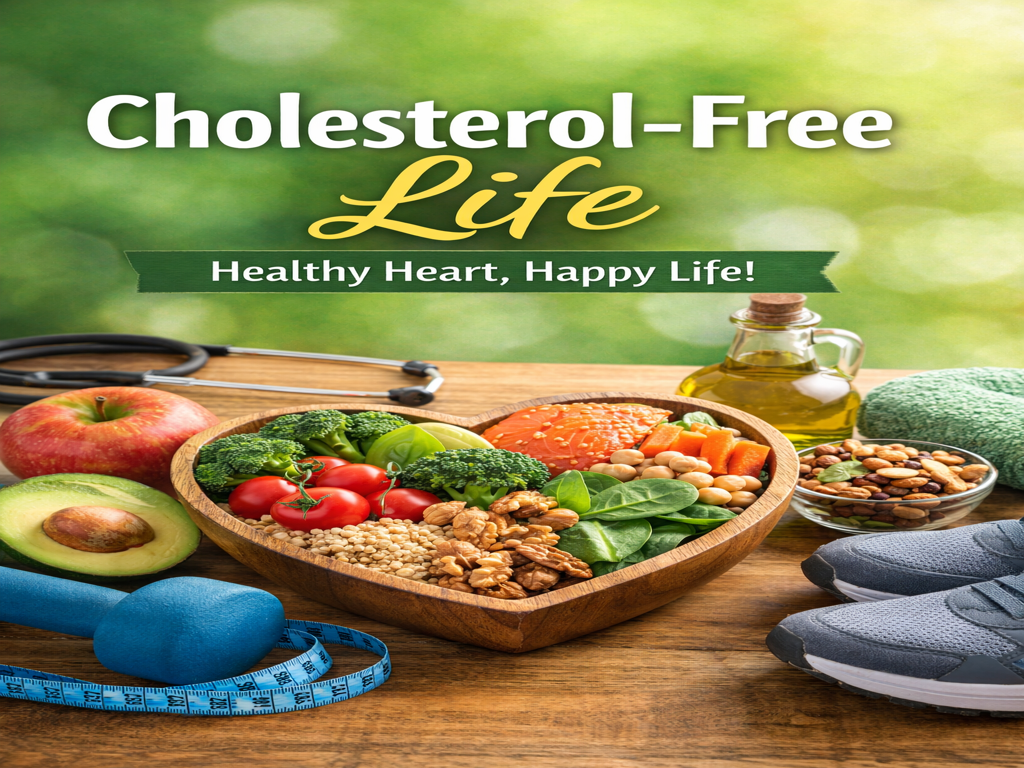
Understanding Cholesterol
Cholesterol is a waxy, fat-like substance found in your blood that your body actually needs to function properly. It helps build healthy cells, produce hormones, and support digestion. However, too much cholesterol in the blood can increase the risk of heart disease and make it harder to maintain a healthy, balanced life.
Types of Cholesterol
Not all cholesterol is bad. There are two main types:
LDL (Low-Density Lipoprotein) — “Bad” Cholesterol
LDL carries cholesterol to your arteries. When levels are too high, it can build up on artery walls, forming plaques that narrow blood flow and increase the risk of heart attack and stroke.
HDL (High-Density Lipoprotein) — “Good” Cholesterol
HDL helps remove excess cholesterol from the bloodstream and carries it back to the liver, where it can be processed and eliminated. Higher HDL levels are generally better for heart health.
Why Cholesterol Levels Increase
Several factors can raise cholesterol levels, including:
1. Eating too many saturated and trans fats
2. Lack of physical activity
3. Being overweight
4. Smoking
5. Genetics (family history)
6. Age and hormonal changes
Vegetables That Help Lower Cholesterol and How They Work
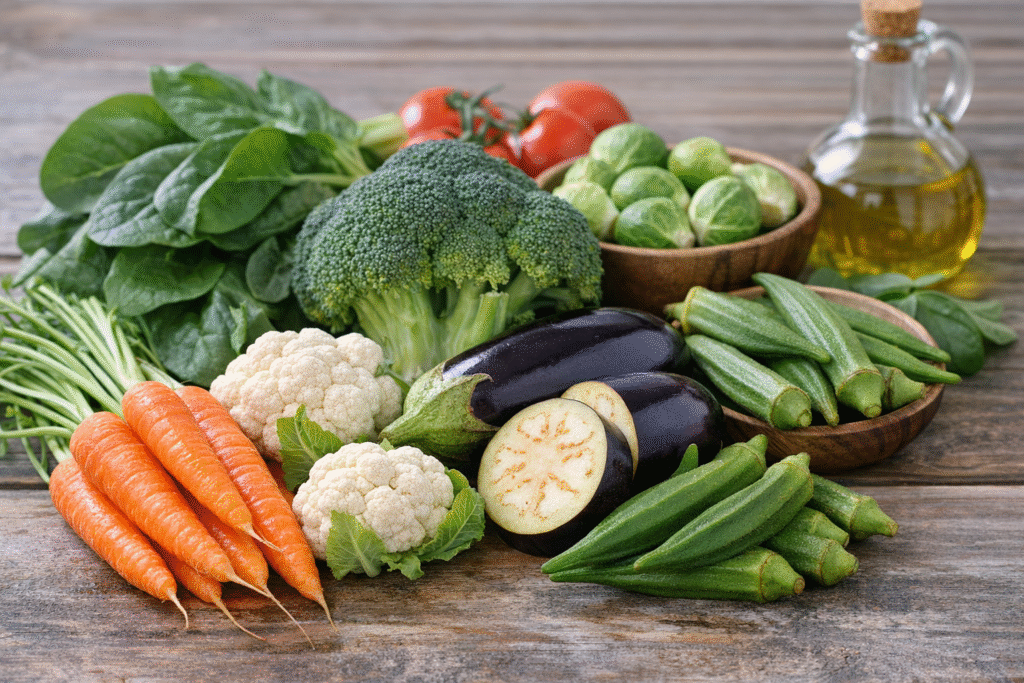
1. Spinach
Packed with soluble fiber and plant sterols, spinach helps reduce the absorption of cholesterol in the intestines.
2. Broccoli
Broccoli is high in soluble fiber, which binds to cholesterol and helps remove it from your body.
3. Carrots
Carrots are great for your heart because they have fiber and beta-carotene. These help bring down the “bad” LDL cholesterol. Eating carrots regularly may also help keep your arteries from getting clogged.
4.Okra
Okra has a sticky fiber called mucilage that helps trap cholesterol in your digestive system so it gets removed from your body. It also helps keep your blood sugar in check, which is good for your heart.
5. Brussels
Sprouts These little veggies are packed with fiber and antioxidants. They help lower LDL cholesterol and keep your digestion running smoothly. They also support your liver, which is important for overall cholesterol balance.
6. Eggplant
Eggplant has fiber and plant compounds that block some cholesterol from being absorbed. It’s low in calories and can be cooked in lots of heart-healthy ways.
For more information: https://healthyfitnessusa.com/healthy-meal-chart-for-a-week/
Lifestyle Habits for a Cholesterol-Free Life
1Exercise Regularly: Aim for at least 30–60 minutes of moderate exercise daily. Effective activities include:
. Walking or jogging
. Cycling
. Swimming
. Yoga or Pilates
Exercise helps raise HDL cholesterol, lower LDL cholesterol, and maintain a healthy weight.
2. Maintain a Healthy Weight: Even losing 5–10% of your body weight can improve cholesterol levels and reduce the risk of heart disease. Focus on sustainable changes rather than quick fixes.
3. Quit Smoking: Smoking lowers HDL cholesterol and damages blood vessels, making it harder for your body to manage cholesterol effectively.
4. Moderate Alcohol Intake: While moderate alcohol consumption (like a small glass of wine) may have some heart benefits, excessive drinking increases triglycerides and harms the liver.
Benefits of Living a Cholesterol-Free Life
Better Energy Levels: Eating nutrient-rich foods provides steady energy throughout the day.
Weight Management: High-fiber, low-fat foods help control weight naturally.
Enhanced Longevity: Healthy cholesterol levels contribute to a longer, healthier life.
Reduced Risk of Chronic Disease: A heart-healthy lifestyle also lowers the risk of diabetes and hypertension.
If you want to more article like this then visit our site: https://healthyfitnessusa.com/
Take Charge of Your Heart Health.
Achieving a cholesterol-free life is about making sustainable, long-term changes rather than quick fixes. Every small, consistent step—choosing heart-healthy foods, staying physically active, and managing stress—helps protect your arteries, boosts your energy, and supports overall wellness.
Balance is key: enjoy a variety of whole, nutrient-rich foods, limit harmful fats, and keep moving daily. With commitment, awareness, and a positive mindset, a cholesterol-free lifestyle is not only achievable but also empowering, helping you feel healthier, stronger, and more energized every day.
Cholesterol-Free Life: Your Complete Guide to a Healthy Heart